
What Is Sound Healing?
A Grounded Guide to Calm and Nervous System Support
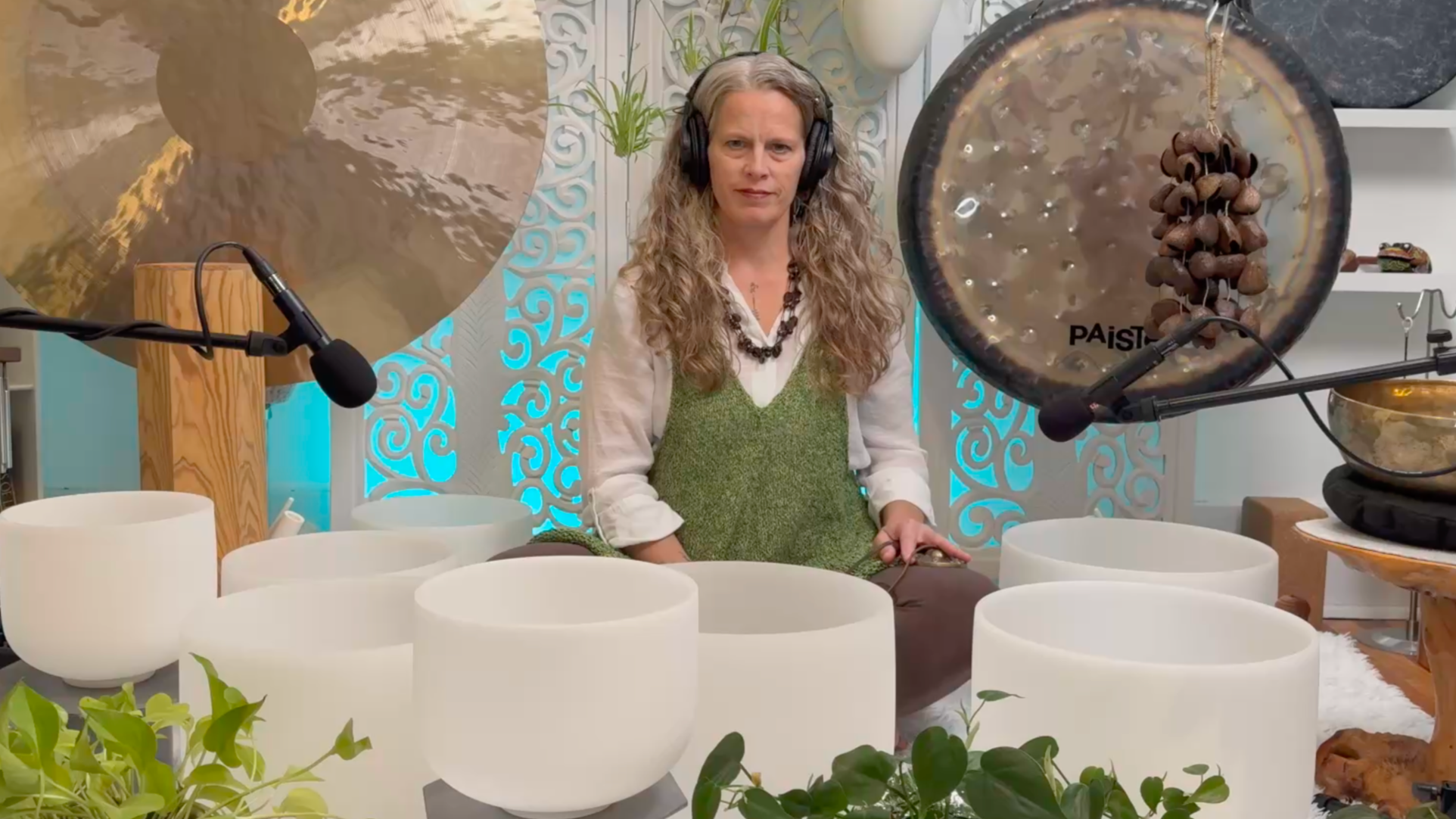
Sound healing is gaining attention across healthcare, workplaces, and communities. If you’re wondering what it is and how it works, this guide will walk you through a grounded, practical understanding.
If you’ve ever felt your shoulders soften while listening to rain, or noticed how certain music can quiet something inside you after a long day, you’ve already experienced something important.
Sound reaches the nervous system directly, often before we are consciously aware of it.
Long before we think about it, the body responds to tone, rhythm, and vibration. Some sounds signal urgency. Others signal safety. When the nervous system perceives safety, it allows tension to soften and steadiness to return.
Increasingly, people are discovering that sound can be used intentionally to support calm, clarity, and overall well-being. Known as sound healing or sound meditation, this approach is gaining recognition in healthcare settings, workplaces, and communities throughout the country. Here in the Capital Region, more people are becoming curious about how sound can offer practical support within full and demanding lives.
No Meditation Experience Required
One of the most common misconceptions about sound healing is that it requires meditation skills or spiritual beliefs.
It does not.
Sound healing is a listening experience. There is nothing to achieve and nothing to perform. The mind does not have to become quiet. Thoughts can come and go. The nervous system responds to sound regardless.
Many people who find traditional meditation challenging discover that sound offers an easier entry point. Instead of asking the mind to settle, sound offers something steady to rest against.
Listening is enough.
How Supportive Sound Works
The nervous system is constantly scanning the environment. In modern life, that environment is often fast, noisy, and unpredictable. Over time, this can keep the body in a subtle state of alertness, even when there is no immediate danger.
Supportive sound experiences create a different sensory environment.
Slow, steady tones provide consistent input the nervous system recognizes as predictable and safe. Muscles release tension. Breathing deepens. Mental activity becomes quieter and less urgent.
These responses are not forced. They emerge naturally when the nervous system no longer feels the need to remain on guard.
Even a few minutes of steady sound can help people feel clearer, calmer, and more grounded.
A Grounded Approach
Sound healing is a broad field with many styles and instruments. Each practitioner develops their own approach. My work is centered on creating soundscapes that are steady, predictable, and calming. The intention is not to overwhelm the senses, but to offer a reliable environment in which the nervous system can gradually settle.
My background as a registered nurse has shaped how I understand this process. I have seen how closely physical and emotional well-being are connected, and how powerfully the body responds when it feels safe. That understanding informs how I create sound experiences — not to change people, but to offer steadiness and support.
There is nothing you have to do.
You do not have to get it right.
The body already knows how to respond.

Experience Sound for Yourself
If you’re curious what sound healing feels like, you can begin with 5 Days to Steady, a free five-day series of short, supportive sound meditations. Each session takes just a few minutes and can be accessed anytime, wherever you are.
You can also explore private sessions, group sound baths, and digital memberships through Carols of the Heart.
